News
Venice Architecture Biennale 2027: dates, venues and what to see
08/12/2026
From May onwards, Venice will once again become one of the world’s leading destinations for architecture and design. From 8 May to 21 November 2027, the city will host the 20th International Architecture Exhibition of the Venice Biennale, an event that attracts architects, designers, professionals, students and enthusiasts from all over the world.
It is an opportunity to discover new perspectives on contemporary architecture, explore innovative projects and reflect on how the spaces we inhabit can evolve to meet the challenges of the future.
For visitors to Venice, the Biennale is also a chance to discover some of the city’s most fascinating locations, combining historic architecture, exhibition spaces and cultural itineraries.
Here is everything you need to know to plan your visit to the 2027 Architecture Biennale.
The 20th International Architecture Exhibition will run from 8 May to 21 November 2027.
The pre-opening, reserved for inaugural events and accredited guests, will take place on 6 and 7 May.
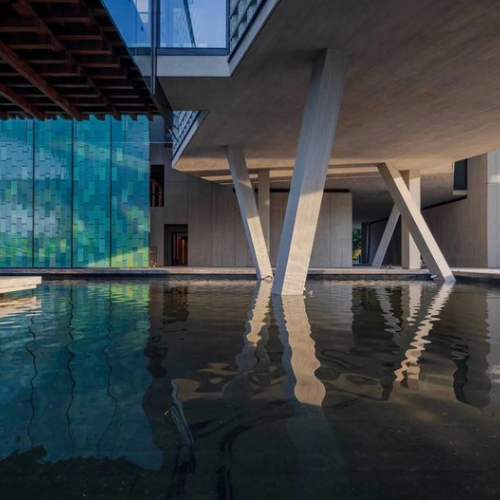
The 2027 edition will be curated by Chinese architects Wang Shu and Lu Wenyu, founders of Amateur Architecture Studio. They are internationally recognised for their architectural approach, which combines contemporary design, local building traditions and a thoughtful use of materials.
The title chosen for this edition is Do Architecture – For the Possibility of Coexistence Facing a Real Reality.
The theme invites visitors to reflect on the role of architecture in contemporary society, the relationship between people and nature, the memory of places and the possibility of bringing innovation, tradition and sustainability together.
With the title Do Architecture, Wang Shu and Lu Wenyu propose a reflection on architecture not merely as a theoretical project, but above all as a practical activity connected to local communities, territories and materials.
The central idea is to promote an approach to architecture that engages directly with reality, rediscovering the value of traditional building techniques and local resources without abandoning experimentation.
Among the questions explored by the curators are the relationship between nature and the built environment, the reuse of materials, the preservation of cultural heritage and the possibility of reconciling modern needs with respect for local identities.
It is a particularly relevant approach at a time when cities are being called upon to rethink their development models and the way people inhabit their spaces.
The Giardini della Biennale are one of the two main exhibition venues and among the most important places for understanding the history of the event.
Originally created as public gardens in the early nineteenth century under Napoleon, they are now home to numerous national pavilions designed by some of the most important architects of the twentieth century.
As you walk along the tree-lined avenues, you will encounter buildings of remarkable architectural interest, making the gardens themselves something of an open-air museum.
During the Biennale, the pavilions become exhibition spaces showcasing projects from participating countries and offering an international overview of contemporary architectural trends.
The visit is also interesting for those who are not professionals in the field: each pavilion presents a different way of interpreting spaces, cities and the relationship between people and the environment.
The other major venue of the Biennale is the Arsenale, one of the most important historic complexes in Venice.
For centuries, it was the centre of the naval power of the Republic of Venice. Today, the Arsenale still preserves the atmosphere of its vast industrial buildings, ancient workshops and monumental spaces.
During the Biennale, these historic structures are transformed into a fascinating exhibition route, where installations, models, architectural projects and research engage in dialogue with the original buildings.
Visiting the Arsenale offers an experience quite different from that of the Giardini, where the contrast between past and present becomes an integral part of the exhibition.
The Architecture Biennale is not limited to the main venues at the Giardini and the Arsenale.
Throughout the exhibition, historic palaces, cultural foundations, institutions and other exhibition spaces across the city host events and exhibitions dedicated to architecture and design.
These collateral events offer an interesting opportunity to discover Venice through less familiar itineraries, entering places that are not usually part of traditional tourist routes.
The complete programme of national participations and collateral events will be available on the official Biennale website closer to the opening.
It is advisable to dedicate at least one full day to the Biennale, as both main venues require time to explore properly.
Visitors wishing to discover the various projects in greater depth may prefer to spread their visit over two days, dedicating one day to the Giardini and another to the Arsenale.
Practical information:
Tickets and guided tours will be available exclusively online.
For updates on opening hours, tickets, exhibitions and events, visit the official Venice Biennale website.
Visiting the Architecture Biennale is also a wonderful opportunity to spend a few days in Venice, combining cultural events with the discovery of the city’s many attractions.
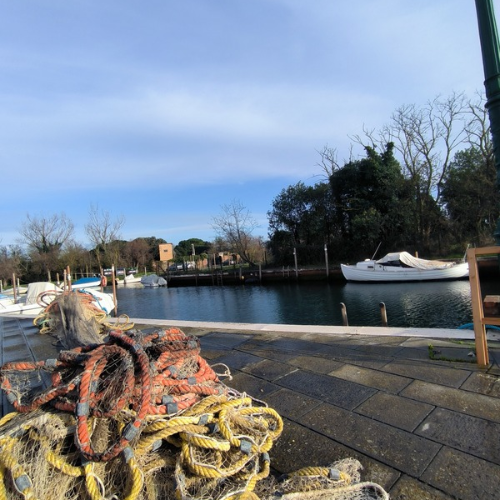
Choosing the Lido means staying in a quieter area than the historic centre, without sacrificing convenient transport connections to Venice’s main attractions.
Housed in a historic Art Nouveau villa overlooking the lagoon, Russo Palace Hotel offers an elegant and relaxing atmosphere, ideal for guests wishing to experience Venice at a different pace.
From here, the historic centre can be reached by vaporetto, making it easy to organise days dedicated to visiting the Biennale before returning to the peaceful surroundings of the Lido.
A stay that brings together culture, architecture and the pleasure of discovering a less hectic side of Venice.
Russo Palace Hotel looks forward to welcoming you to Venice for the Architecture Biennale 2027.